
 Knowledge CenterArticlesPartnership at the Speed of Trust Partnership at the Spee…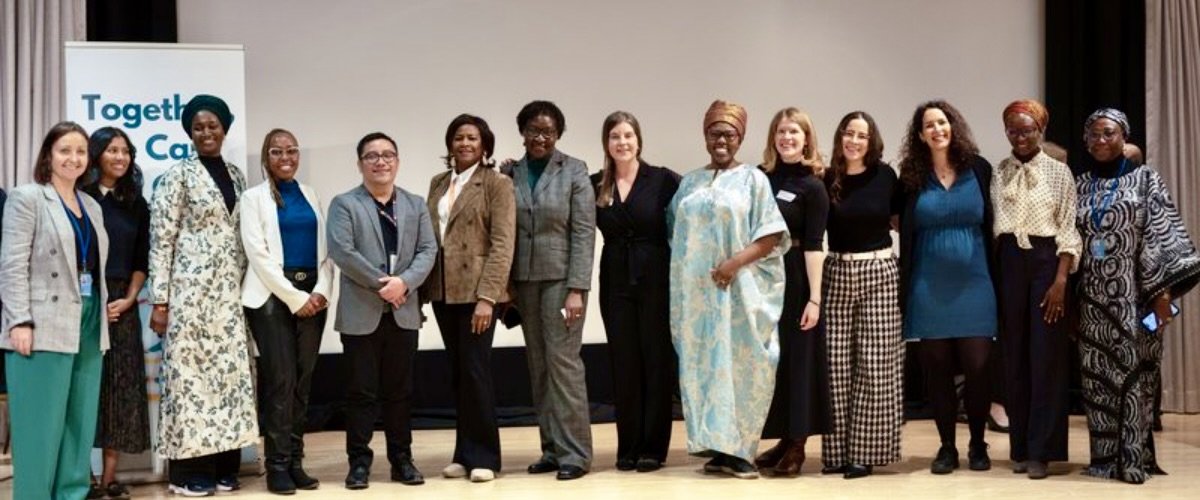
Several co-hosts of 'Together, We Can End Child Marriage' side event at CSW70, organized by Girls Not Brides. Photo by Joe Baron.
We stood on stage in New York City alongside hopeful child marriage experts, survivors, advocates, and leaders from Brazil, Malawi, Ecuador, and beyond, smiling for a group photo. The snapshot — taken at the Together, We Can End Child Marriage event at the 70th Commission on the Status of Women (CSW70) — captures the possibility of the moment. What it doesn’t show: months of collaboration, deliberate planning, and the kind of careful coordination that only works when people trust each other.
That moment, and the relationships that made it possible, reflects what the Ending Child Marriage Partnership (the Partnership) set out to build — and what the philanthropic sector too rarely designs for.
At a time when global funding for adolescent girls was shrinking, the joint Partnership effort brought five organizations together under a shared goal: to raise the visibility of the need to end child marriage, mobilize advocacy, and support real momentum in communities. With Panorama Global as the coordinating hub, the Partnership — Gates Foundation, Girls Not Brides: the Global Partnership to End Child Marriage, Girls First Fund, the Clooney Foundation for Justice, and Obama Foundation’s Girls Opportunity Alliance — brokered connections across sectors, directed catalytic resources toward community leaders already doing the work, and brought local voices into global dialogue.
As we reflect on what this collaboration has made possible, the lesson that keeps surfacing isn’t about strategy or project design. It’s about the individuals, relationships, and trust that moved the work forward.
Philanthropy broadly recognizes the importance of trust in formal collaborations. But most partnerships are designed on paper — around workplans and theories of change — without building relational investment into timelines, budgets, or measures of success. Yet relationships are what hold a partnership together when progress is slow, alignment is hard, or an unexpected opportunity demands decisive action.
The Ending Child Marriage Partnership took a different approach. We intentionally invested in building trust with and among the people leading the work, not as a precursor to collaboration, but as the foundation of it. That meant creating space for genuine rapport, inviting honest conversations when roadblocks emerged, and following the collective commitment to the work, not only the workplan.
Building trust takes time, but these relationships make everything else possible.
Each Partner is an established leader with their own expertise, strategies, and long-standing commitments to adolescent girls. Trust created the conditions to leverage these strengths and reach across sectors for greater collective impact.
At the heart of this collaboration is a catalytic regranting portfolio directing strategic funding toward leaders and organizations working in communities harmed by child marriage. These grants reflect the Partnership's proximity to the work — close enough to see what was needed and trusting enough to act on it.
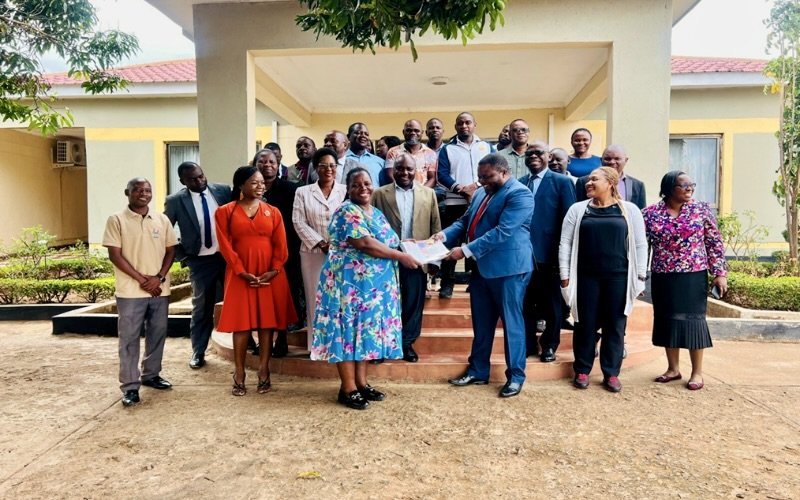
Symbolic presentation of the printed National Strategy on Ending Child Marriage, from Girls not Brides to the Ministry of Gender, Children, Disability and Social Welfare in Malawi. Photo provided by Girls Empowerment Network Malawi.
This meant supporting girls and youth advocates with resources and platforms to advocate for their own rights. The Purposeful Vision Trust Awards put resources directly into the hands of young women and young women-led collaboratives across Nigeria, Sierra Leone, Tanzania, and beyond. The Adolescent Girls Investment Plan (AGIP) strengthened youth advocates’ capacity to turn evidence into action in policy, funding, and public spaces. The women and girls closest to this issue are already leading; resourcing them directly is among the most meaningful investments the field can make.
It meant investing in relationships that existed between organizations and communities they serve. Girls Empowerment Network and Girls Not Brides Malawi partnered with Malawi’s government to disseminate the National Strategy to End Child Marriage across all 27 districts. The World Health Organization’s Human Reproduction Programme equipped community health workers in Kenya with training to address child marriage in the communities where they work.
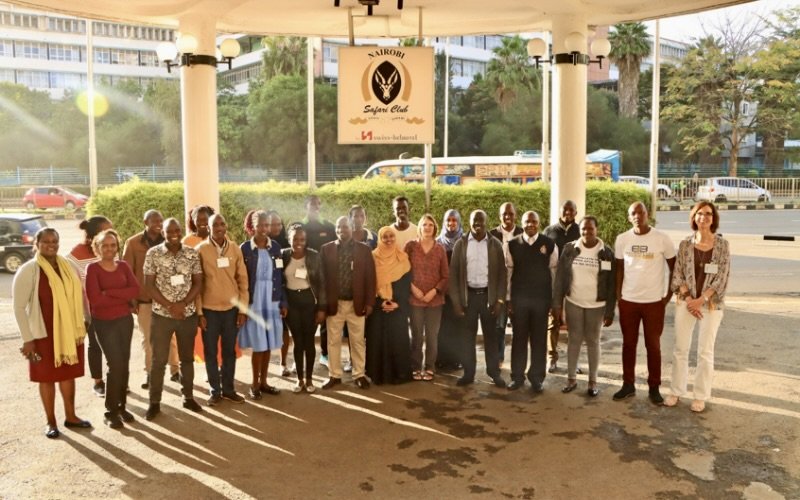
Community health promoters in Kenya participate in a group activity on health complications of child marriage led by the World Health Organization. Photo provided by World Health Organization.
And it meant shifting how the field thinks about a rights-based approach to legal reform through the Sexuality Working Group’s global convening and resources that are moving the conversation forward.
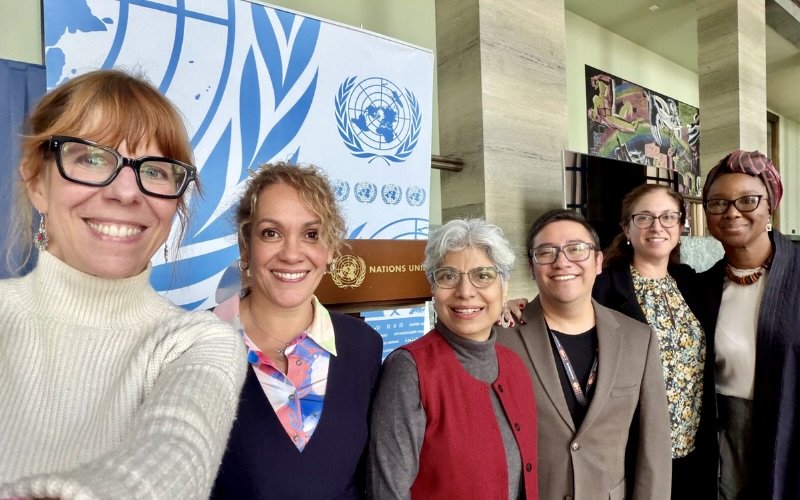
Members of the Sexuality Working Group at the Global Convening in Geneva at UN headquarters. Photo by Sarah Green.
Taken together, these grants reflect the Partnership's core principle: listen to the leaders driving change, understand what they need, and resource them to go further.
In March 2026, a broad community of partners convened at CSW70 for Together We Can End Child Marriage — a flagship event led by Girls Not Brides and co-designed by many of the Partnership's members.
Grantees and partners were among the voices that shaped the conversation. Luiza Caleia, an AGIP Girl Advisor from Brazil, spoke about autonomy — the right to decide, to stay in school, and to shape one's own future. Dr. Ramatu Bangura of Purposeful named what meaningful support really looks like: resourcing girls and young feminists who already have strategies, and standing beside them in the work. Minister Mary Navicha from the Government of Malawi spoke to the importance of strengthening the systems that keep girls in school and ensuring survivors receive the protection they deserve.
Their voices at this key moment reflected what the Partnership had been working toward. When relationships are built on trust and community-based partners are resourced and connected, they show up to moments like CSW70 ready to lead.
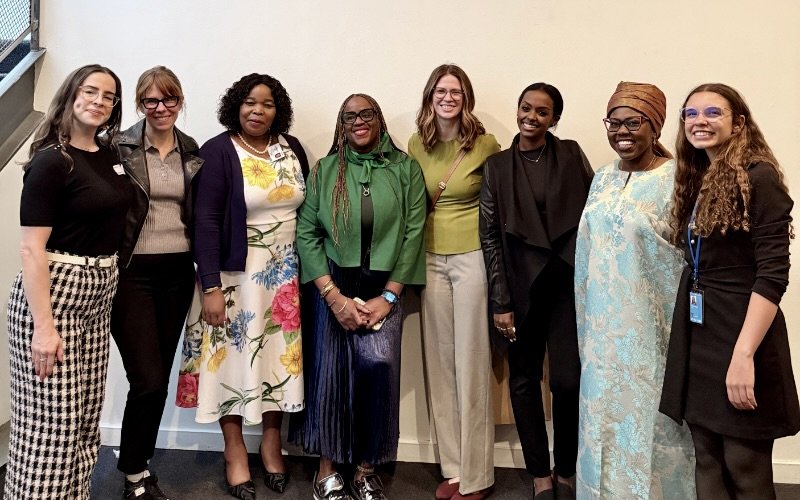
Ending Child Marriage Partnership representatives and grantee partners at CSW70 in New York City. Photo provided by Panorama Global.
Two years in, four lessons stand out for Panorama — not as prescriptions, but as honest reflections from inside a partnership that advanced meaningful change.
Relationships are infrastructure.
The time invested in getting to know each other — as people, not just organizational representatives — held the Partnership together when things were hard and moved it forward when opportunities arose. That investment deserves a place in timelines and budgets, not just values statements.
Credibility deepens trust.
Trust grows when partners know they can rely on each other. Having the right people with the right skills and knowledge embedded in the collaboration meant support and thought partnership was there when needed. That reliability deepened relationships and created the conditions for more meaningful engagement across the Partnership.
Trust creates speed.
Partnerships that move quickly when they need to are those that have already done the slow work of building confidence. When a window opened — an advocacy moment, a funding decision, an opportunity to connect the right people — the Partnership was ready because the foundation was there.
Adaptability requires rapport.
A partnership can only co-create, reset, and shift course when people feel safe enough to be honest. That candor doesn't emerge from a governance structure. It emerges from relationships where people trust each other well enough to say what they actually think.
These lessons aren’t unique to ending child marriage. They apply to any collaboration trying to do something meaningful in a complex, fast-changing environment, and they offer a clear challenge to how philanthropy designs for partnerships from the start.
The work of ending child marriage continues. Those at the center of it — the advocates, the community leaders, the girls and youth advocates — were doing this work before this unique partnership, and they will keep doing it.
What philanthropy can offer is the infrastructure to go further: sustained, flexible resources and the kind of committed collaboration that makes those resources count. The Partnership is calling on funders to step up for adolescent girls. We add our voices to that call — and we offer this reflection as evidence of what becomes possible when partnership moves at the speed of trust.
The Partnership brings together five leading organizations to raise visibility and mobilize advocacy to end child marriage globally: Gates Foundation, Girls Opportunity Alliance, Clooney Foundation for Justice, Girls Not Brides, and Girls First Fund, anchored by three globally recognized advocates for adolescent girls — Michelle Obama, Amal Clooney, and Melinda French Gates.
Panorama Global serves as the coordinating hub, building alignment across a diverse coalition and overseeing a flexible regranting portfolio to resource emerging opportunities. Dr. Yvette Efevbera, Founder and CEO of SHE Thinks Group, brought subject matter expertise and strategic counsel to the Partnership as an advisor to Panorama Global.
 Your Vision
 Our Platform
 Real impact
Panorama Global is a member of The Panorama Group.
Privacy Policy © 2026 Panorama Global. All rights reserved.
 Contact Us
 Search
 Join Our Mailing List