
 Knowledge CenterArticlesCase Study: MAMTA Health Institute for … Case Study: MAMTA Healt…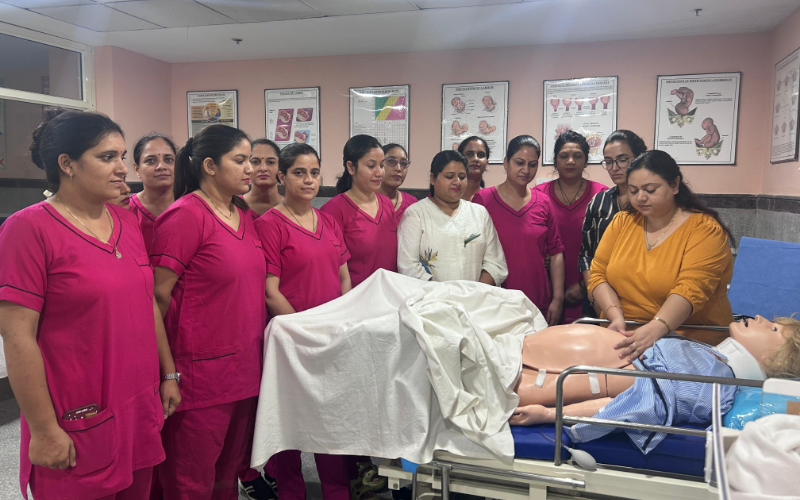
Midwifery skills lab in government medical college. © MAMTA
India’s philanthropic landscape is marked by significant evolution and persistent challenges. Traditional bilateral aid from countries such as the United States, United Kingdom, Sweden, Finland, the Netherlands and others have largely phased out, around in 2024–2025 sunset of USAID reduced support for marginalized people by civil societies. Across the Global South, trust-based and multi-year funding has declined.
Conversely, India’s funding landscape is shifting away from international donors toward domestic sources, including corporate, family, and retail philanthropy. However, donor priorities do not always align with public health needs. India continues to face gaps in achieving the United Nations Sustainable Development Goals, alongside rising health and demographic burden.
Amid a changing global geopolitical scenario, most countries, including India, are looking inward and enhancing their resources. This includes increased budgets for health, defense, and internal security, alongside rapid policy evolution and programs around digitalization, including AI. MAMTA’s strategies align with this shift by supporting health care and digital solutions to maximize national efforts and impact.
The MacKenzie Scott grant has been critical in allowing us to sustain our work without interruption in a challenging environment. This includes dwindling social development resources and persistent structural issues within the healthcare sector, such as inequitable access to care, gender discrimination, and marginalization. The grant is enabling us to build models to strengthen the evidence base for implementation of science across key national government programs, such as the National Program for Maternal and Child Health and National Program for the Health Care of the Elderly.
Our first approach strengthened our internal technical workforce to drive scientific, evidence-based solutions. We improved digital systems, including real-time monitoring platforms, to deliver quality outputs and position evidence more effectively at the policy level. These investments enabled continued exploration of new public health areas.
Our second approach provides concrete knowledge assets, including tools, training packages, the establishment of Program Management Units, and a Technical Support Unit in partnership with states.
Our third approach adopted a strong internal mechanism for execution of the grant. Public health experts conduct rigorous reviews of proof-of-concept selection. An equity-centered approach promotes young professionals and their solutions. A multidisciplinary team ensures regular review, accountability, learning, and improvement. Senior leadership provides ongoing mentorship and technical guidance.
The above approaches have already started showing some key results like having enhanced institutional HR competencies, innovative ideas like infertility, newborn care, Artificial Intelligence for cervical care, climate health vulnerability index are just a few to mention. All these are now being taken up for policy and programmatic positioning.
For institutions like ours, with decades of work across critical public health and development areas, large and trust-based philanthropy such as the Scott grant is deeply valuable. Shifts in India’s funding landscape, regulatory tightening, rising corporate social responsibility giving, and COVID-19-driven resource diversion have reduced long-term, behavior-change-focused support. In this context, abundant, trust-based funding is more important than ever, providing stability, flexibility, and space for sustained innovation and meaningful public health discourse and impact.
We propose that funders provide long-term, flexible support. Complex challenges, such as regional disparities, climate risks, and underinvestment in marginalized populations, cannot be addressed with short-term funding. Predictable, flexible resources enable organizations to plan, adapt, and innovate, sustaining rights-based, equity-focused, and gender-transformative work. Such support is essential to keep communities, health systems, and policies moving forward for the most marginalized.
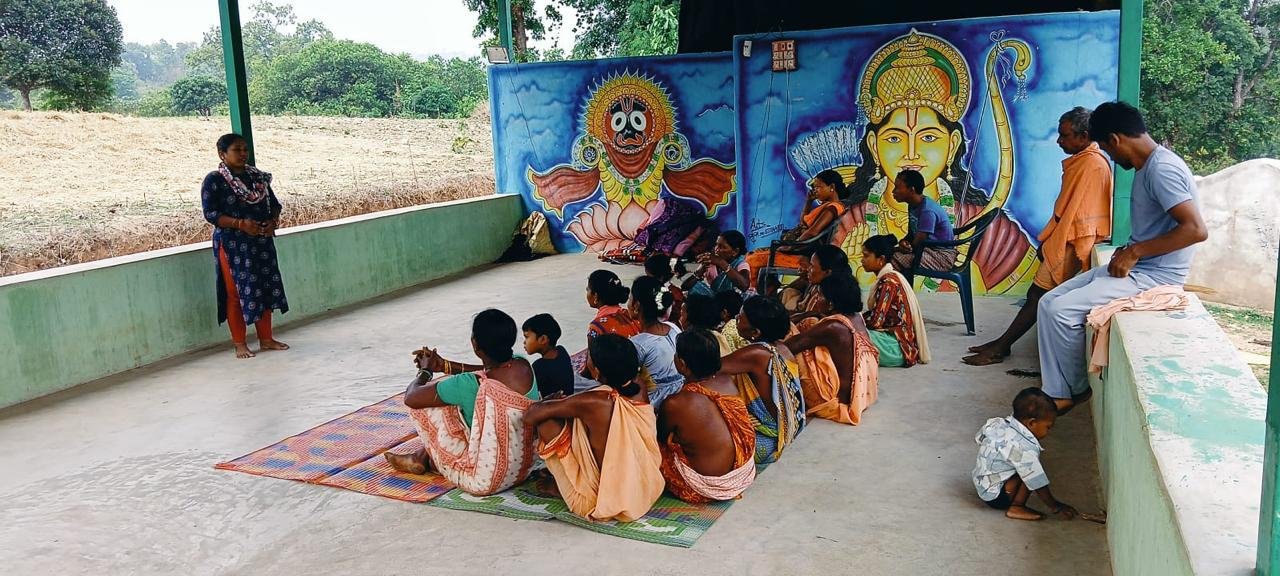
Kangaroo Mother Care session in community. © MAMTA
Download this case study
For more, see our report What Flexible Funding Makes Possible: How Global South Organizations Leveraged Funding from MacKenzie Scott to Sustain Impact in Turbulent Times.
 Your Vision
 Our Platform
 Real impact
Panorama Global is a member of The Panorama Group.
Privacy Policy © 2026 Panorama Global. All rights reserved.
 Contact Us
 Search
 Join Our Mailing List