
 Knowledge CenterArticlesAccelerating Leadership: How the Global… Accelerating Leadership…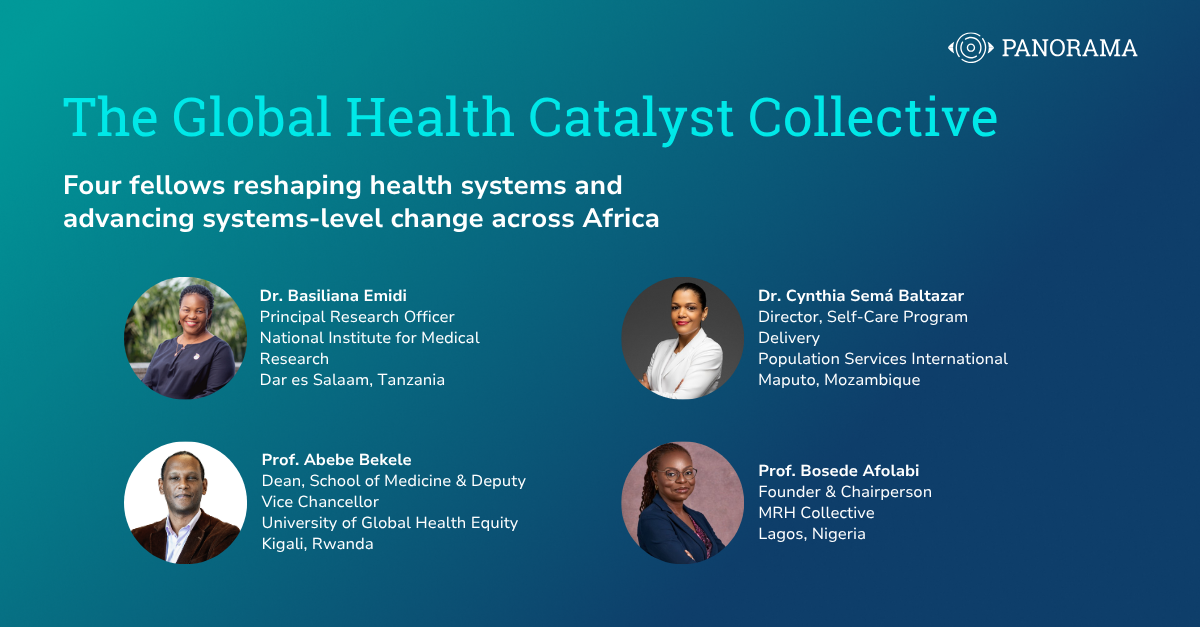
Global health philanthropy is in the middle of a structural shift. Traditional donor funding for health declined sharply throughout 2025, with real world consequences: cutting programs, eliminating positions, and disrupting health services for people who depend on them. This funding shift is forcing a reckoning with how global health philanthropy operates; it’s also a clear opportunity to rethink these models. Three trends are emerging:
Collective giving and longer time horizons are creating more room for philanthropy to make bolder, more durable bets. The open question is where those bets land. Systems don't get stronger because a funder designed a better program. They get stronger because someone with the standing, context, and judgment to lead through disruption was already there and had the resources to act.
The Global Health Catalyst Collective (GHCC), a Panorama initiative supported by the Gates Foundation, is built on this premise.
Often the most significant change comes from leaders who have spent years working inside the system, who understand its strengths and opportunities, and have innovative ideas for how to improve it. The GHCC is a pilot fellowship testing what happens when four such leaders receive unrestricted funding and dedicated support, including a peer network, to take their initiatives further.
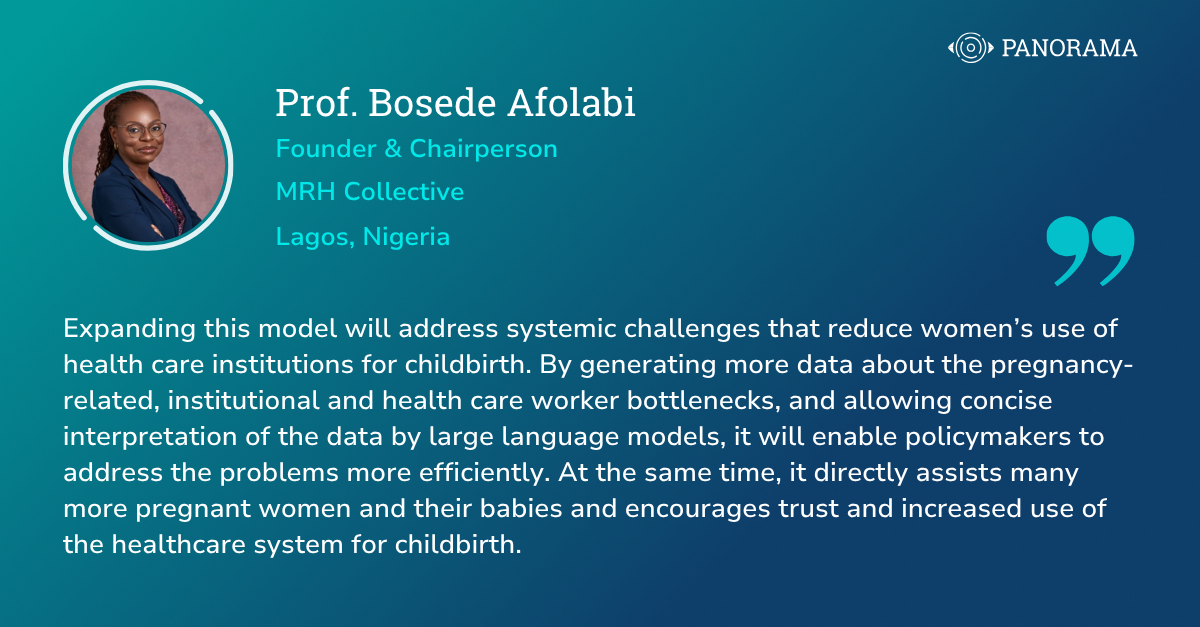
One of those leaders is Dr. Bosede Afolabi, who set out to prevent maternal mortality in a country with the highest rates of maternal mortality in the world. Every year, preventable delays cost women their lives during childbirth across Nigeria—delays in recognizing warning signs, reaching care, and receiving it in time. Working as a clinician, Dr. Afolabi observed that one-on-one care alone was not enough: many women weren’t dying from lack of treatment, but rather because they didn’t trust the healthcare system enough to seek it.
Dr. Afolabi founded the Maternal and Reproductive Health (MRH) Collective and built MamaBase, a program that maps pregnant women in vulnerable communities, links them with community health workers, and connects them to nearby healthcare facilities. This program has reached over 13,000 women in high-risk communities in its initial phases, with more than 99% delivering safely. As a GHCC Fellow, Dr. Afolabi will now expand this model into Kaduna State, one of Nigeria’s regions with the highest maternal mortality rates.
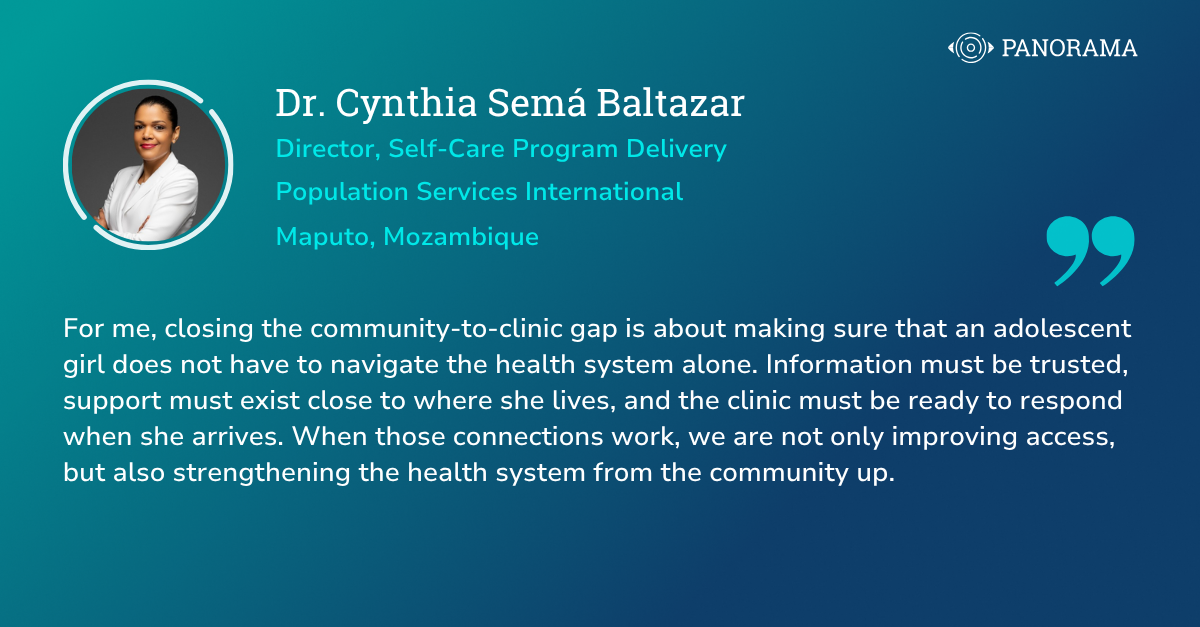
Access to reproductive health information and services shouldn't depend on where a teenage girl happens to grow up. In Mozambique, low health literacy, restrictive gender norms, and weak links between communities and clinics too often decide that for her. Dr. Cynthia Semá Baltazar is changing that equation, drawing on two decades of work across surveillance, health systems, and program implementation. As a WomenLift Health Fellow, she designed an initiative to train trusted local peers to deliver accurate information and connect girls to reproductive health services close to home. As a GHCC Fellow, Dr. Baltazar will expand this training to community health promoters in Zambezia, building a model designed for scale and sustained impact.
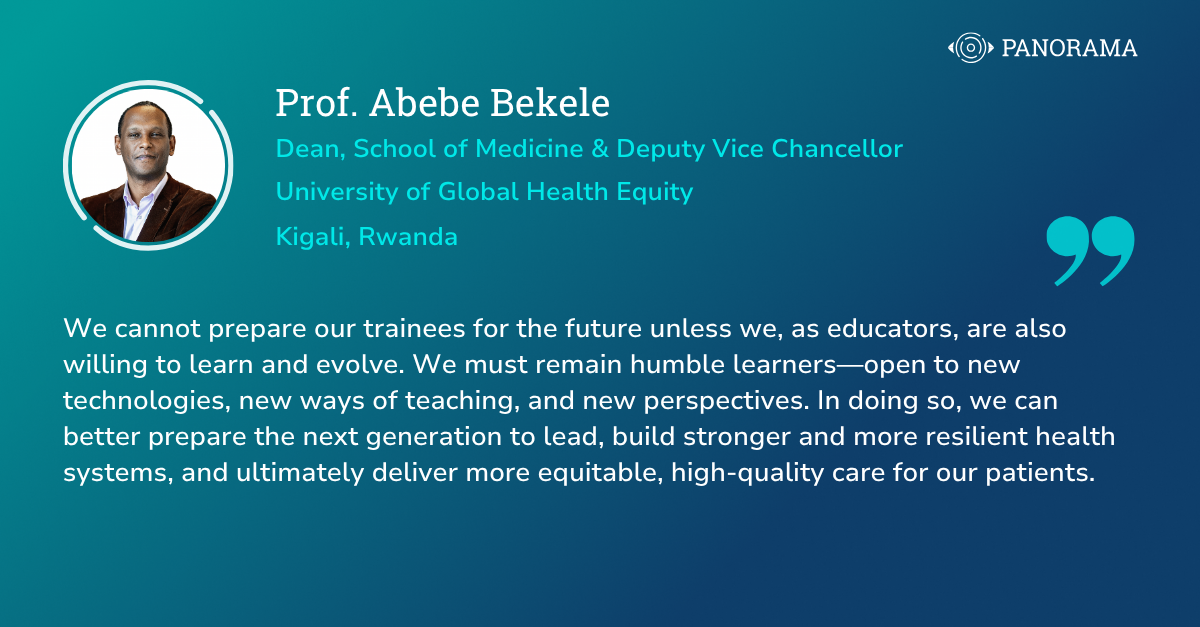
Dr. Abebe Bekele’s work addresses Africa's greatest health workforce challenge: producing enough doctors, nurses, and other health professionals—and ensuring they're prepared for the future. Unless today's medical students are equipped for the technologies and health systems of tomorrow, they risk being left behind. Dr. Bekele, a medical educator for the last 28 years, currently serves as Dean of the School of Medicine at the University of Global Health Equity in Rwanda. He founded the Consortium of Medical Schools – Africa (COMS-A), now spanning nearly 200 schools across 35 countries, and piloted a Transformative Technology curriculum integrating critical thinking, AI, and emerging technologies. As a GHCC Fellow, Dr. Bekele will lead development of a standardized, modular curriculum and a train-the-trainers model designed to equip medical schools across the continent for the future.
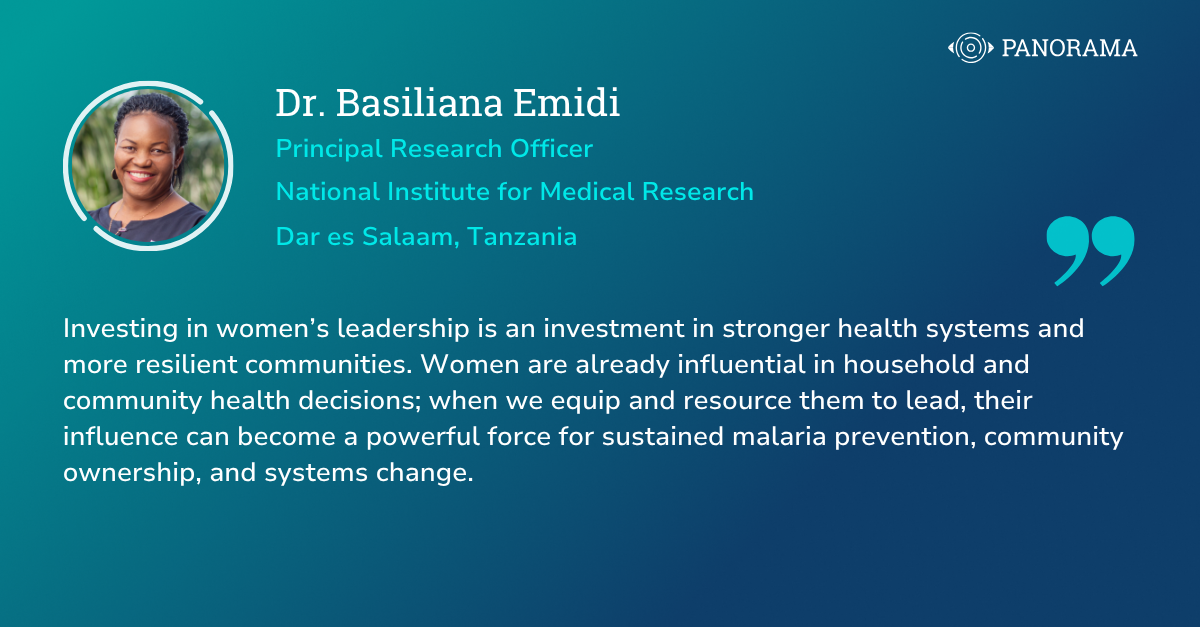
Tanzania has achieved high coverage of insecticide-treated nets, yet malaria transmission persists. This isn't a gap in coverage, but rather a gap in how nets and other interventions are actually used in every household. Dr. Basiliana Emidi, who has spent nearly 18 years as a medical entomologist with Tanzania's National Institute for Medical Research, saw a solution already at work informally: women who make the health decisions in their households and communities. As a WomenLift Health Fellow, she designed an initiative to formalize that leadership, training women as vector control leaders, informed by community interviews that found strong local appetite for the approach. As a GHCC Fellow, Dr. Emidi will lead a trainer-of-trainers model and a quasi-experimental evaluation, generating evidence to inform malaria prevention policy in Tanzania and beyond.
Across all four Fellows, the arc of the intervention is the same: leaders inside the health system, already reshaping how it can progress. What the GHCC initiative adds is unrestricted funding, a cohort network, and dedicated support to accelerate their work into systems-level shifts.
As a nine-month pilot, GHCC will test a few key questions: how unrestricted funding changes the pace and shape of programming when the expert is given the agency to decide where funding goes; whether a peer cohort spanning countries and health challenges surfaces strategies no single context could produce on its own; and what forms of dedicated support meaningfully extend a leader’s impact.
Our programming is intentionally designed to strengthen the influence, visibility, and reach of leaders already positioned to shift their systems. We're thrilled to be partnering with four such exceptional leaders and look forward to learning alongside each of them.
 Your Vision
 Our Platform
 Real impact
Panorama Global is a member of The Panorama Group.
Privacy Policy © 2026 Panorama Global. All rights reserved.
 Contact Us
 Search
 Join Our Mailing List